Groupage or full load: which is cheaper for your consignment?
Groupage means your consignment shares a vehicle with other customers' goods, so you pay only for the space you use: cheaper for smaller consignments that would not fill a truck. A full load (or full truck load) is a dedicated vehicle for your goods alone, which is more cost-effective when you have enough to fill or nearly fill a truck, and faster and lower-risk because the load goes direct without being handled or trans-shipped. As a rule: choose groupage for small consignments to save money, and a full load for large consignments, or when speed, direct delivery and minimal handling matter.
One of the simplest ways to control what you pay for haulage is to choose the right load type: share a truck with other customers, or take the whole vehicle for yourself. For the right consignment, one is clearly cheaper than the other. Here is how to tell which suits your goods.
What each means
Groupage (also called part-load or LTL, less than truck load) consolidates several customers' consignments onto one vehicle, so each pays a share of the cost proportional to the space and weight they use. A full load (FTL, full truck load) is the opposite: the whole vehicle is dedicated to your goods, whether it is completely full or not. The right choice depends mostly on how much you are sending.
When groupage is cheaper
- 1Your consignment is small: a few pallets, not a full trailer.
- 2You are willing to trade a little speed for a lower cost.
- 3The goods can be handled and consolidated with other freight.
- 4You do not need an exact, dedicated delivery time.
When a full load is worth it
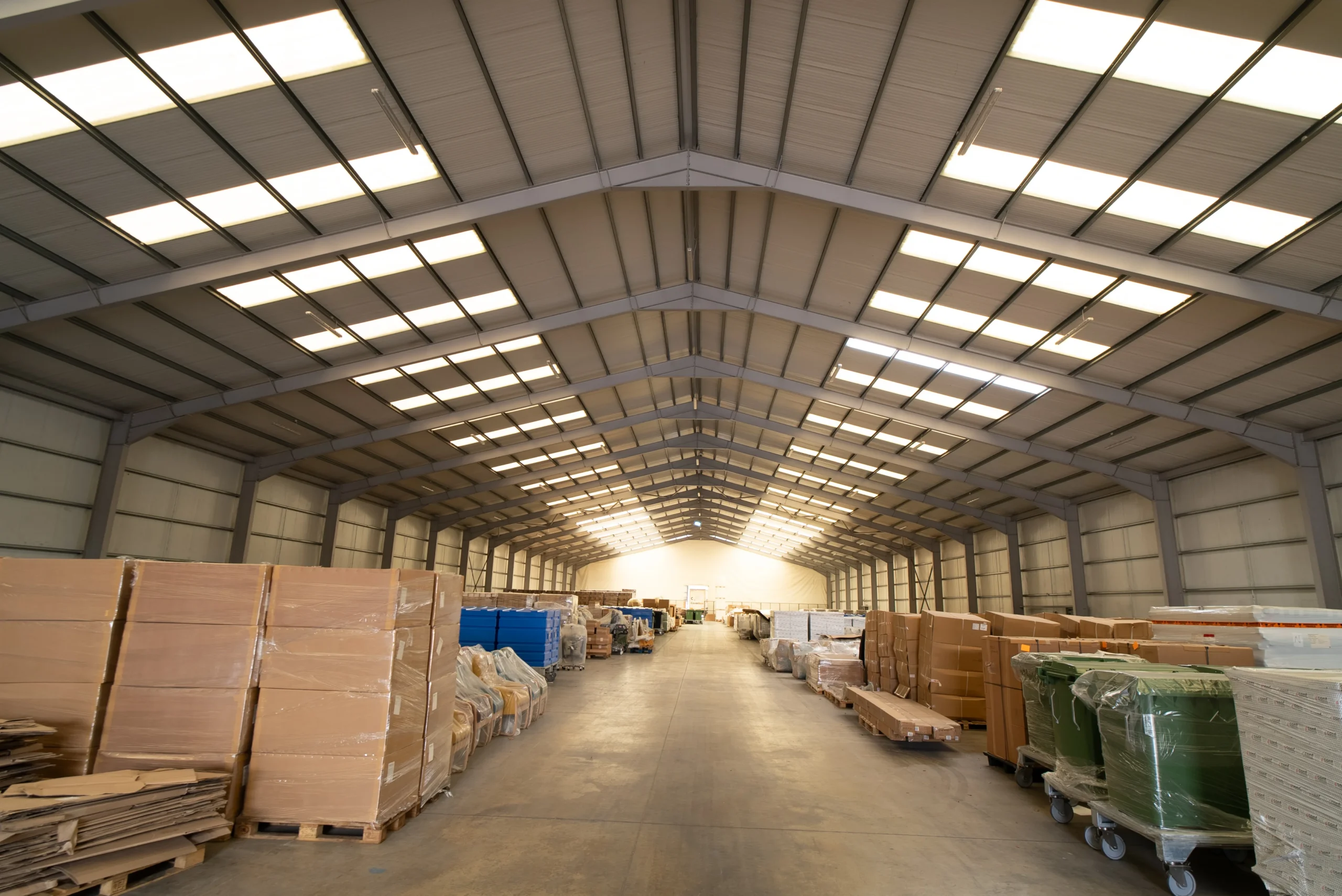
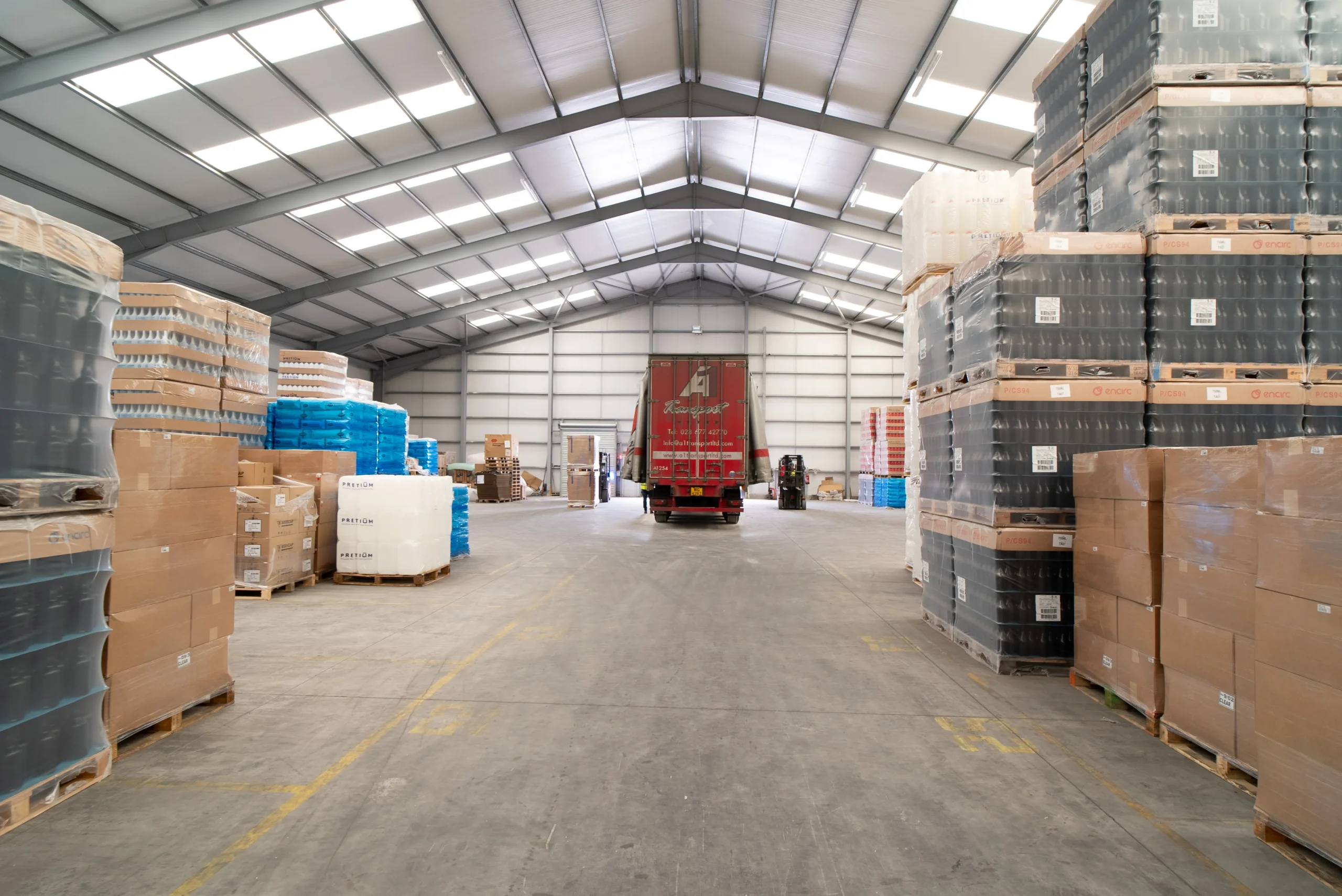
A full load makes sense when you have enough goods to fill or nearly fill a truck, because at that point paying for the whole vehicle is more cost-effective than paying groupage rates on a lot of space. It is also the choice when speed and directness matter: a full load goes straight from collection to delivery without being consolidated, sorted or trans-shipped, so it is faster and the goods are handled less, which lowers the risk of damage. For fragile, high-value or time-critical goods, that direct handling is often worth paying for even below a completely full truck.
Weighing it up
Think about volume first, then speed and handling. Small consignment, cost-sensitive, flexible on timing: groupage. Large consignment, or a need for speed, directness and minimal handling: full load. A good haulier will advise honestly which suits your goods, and can offer both. Joe McGovern provides groupage and full-load haulage across Ireland, with Palletxpress network coverage for palletised consignments; see how much haulage costs and matching the vehicle to the load.
Frequently asked questions
Is groupage cheaper than a full load?
What is the difference between groupage and a full load?
When should I choose a full load over groupage?
Move it with Joe McGovern
Joe McGovern has provided haulage, transport and storage across Ireland since 1992, with a fleet of over 40 trucks and Palletxpress network coverage from our Cavan base.Tell us the load, the route and the timeframe, and we will quote the right vehicle and service for the job.